Use Fish Fillet Knife for Clean Fillets
The Ultimate Resource to Fish Filleting Knives: Specifications and Reviews
The reference material on fish filleting knives delivers a in-depth review of important aspects that boost the filleting undertaking. It discusses edge materials, suppleness, and handle structure, all important for making precise cuts. Readers will obtain insights into upkeep and safety guidelines too. Understanding these factors is vital for selecting the right tool. Yet, what truly makes a great fillet knife apart? The answer lies in the details that follow.
The Vital Traits of a Dependable Fish Fillet Knife
An quality fish fillet knife is identified by numerous vital features that enhance its performance and usability. The edge substance is critical; premium stainless steel with high carbon is preferred for its sharpness and resistance to deterioration. A slender, tapered blade enables for meticulous cuts, guaranteeing clean fillets. The span of the blade typically ranges from 6 to 9 inches, affording flexibility for various fish make a move sizes.
The handle is another essential element, ideally crafted using components such as rubber or hardwood that provide a secure, comfortable grip. A well-proportioned knife prevents fatigue during prolonged use, allowing for improved control. Additionally, a flexible blade can help maneuver the contours of the fish, making it simpler to separate flesh from bone. Finally, a non-slip design improves safety, reducing the chance of accidents while filleting. These features together contribute to an effective and enjoyable filleting experience.
How Tool Flexibility Affects Filleting Performance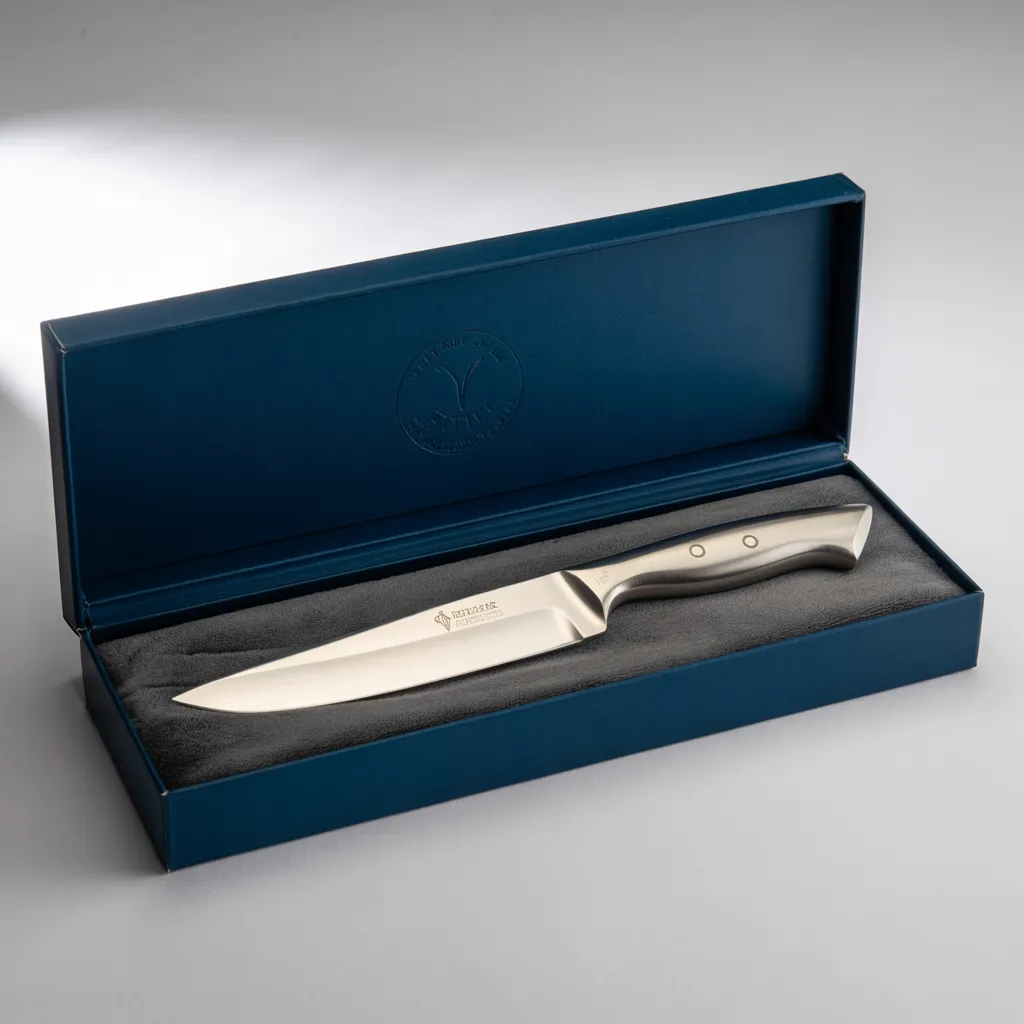
The flexibility of a fish filleting knife's blade is crucial in its performance. Stiffer blades may provide strength for larger fish, while flexible blades allow for precision cuts along fragile skeletal structures and tissues. Comprehending the right balance between stiffness and flexibility can greatly enhance the filleting process.
Blade Stiffness Clarified
Many factors play a role in skilled fish filleting, yet blade stiffness proves indispensable for determining knife effectiveness. A stiff blade guarantees control and stability, permitting clean, uniform cuts through thicker portions of fish. This firmness is quite beneficial when filleting larger varieties or slicing through bone, as it lowers the danger of warping or misalignment. In contrast, a pliable blade offers adaptability for fine operations, though excessive flexibility can lessen accuracy and produce uneven fillets. The suitable stiffness level is significant; it should correspond to your filleting method and the specific fish type being prepared. Fundamentally, understanding blade stiffness helps users identify knives that strengthen their filleting proficiency and performance.
Versatility For Precision Cuts
Blade elasticity plays a key role in achieving precise slicing during the filleting process. A supple blade allows for increased adaptability when maneuvering the curves of fish, enabling the user to follow the natural line between muscle and bone. This flexibility aids delicate maneuvers, especially around the ribs and fins, ensuring minimal waste and cleaner cuts. Knives with moderate flexibility maintain a balance, providing sufficient rigidity for control while still permitting the necessary bend. This trait can significantly improve the filleting experience, as it lowers the risk of tearing the flesh and enhances the overall quality of the fillet. Ultimately, the correct amount of flexibility is necessary for both novice and experienced fish fillet enthusiasts.
Picking The Ideal Proportion
Getting the proper balance in blade suppleness is essential for optimal filleting performance. A pliable blade enables for precision in maneuvering the curves of the fish, enabling smooth cuts along bones and skin. However, excessive flexibility can result in a absence of control, making it difficult to execute clean, uniform slices. Conversely, a firmer blade may offer more stability but can impede the ability to follow the delicate lines of the fish's anatomy. Filleting knives typically provide a range of flexibility options, catering to different fish types and personal preferences. Understanding one's specific needs—whether for detailed work or larger fillets—will direct the choice of blade flexibility, ultimately enhancing the overall filleting experience.
Finding the Appropriate Grip for Comfort and Control
Determining the ideal handle for a fish filleting knife substantially determines both comfort and control during the filleting process. Handles feature various shapes, sizes, and materials, each influencing the user's grip and ease of handling. Ergonomic designs support natural hand positioning, decreasing exhaustion during extended use.
Textured grips strengthen stability, reducing slippage when working with wet fish. In addition, the balance and weight of the handle are vital; a well-balanced knife enables cleaner cuts and enhanced maneuverability.
Buyers should consider their hand size and grip style when selecting a handle, as a comfortable fit enhances precision and reduces fatigue.
Ultimately, the right handle not only assists in achieving precise fillets but also enhances a more satisfying fishing experience. Investing time in choosing a handle tailored to individual preferences can lead to improved outcomes in the filleting process.
Best Materials for Fish Fillet Knife Blades
The selection of blade material is essential for effective fish fillet preparation. Stainless steel offers strength and corrosion resistance, while high carbon steel is known for its sharpness and edge retention. Ceramic blades, on the other hand, provide a lightweight option with excellent sharpness, though they demand careful handling.
Stainless Steel Favorable Properties
When considering substances for fish filleting knife blades, stainless steel distinguishes itself as a top choice due to its special blend of durability, corrosion resistance, and easy maintenance. This alloy is notably effective in aquatic settings, where moisture exposure can cause rust and damage in lower quality materials. Its inherent strength enables the production of thin, flexible blades that support precise cuts, crucial for successful filleting. Moreover, stainless steel needs minimal maintenance; a quick rinse and dry after use is generally enough to keep it performing well. The combination of this practicality and its aesthetic appeal makes stainless steel a popular option among both amateur and professional fish filleting enthusiasts.
High Carbon Steel Qualities
High carbon steel positions itself as a dependable alternative for fish filleting knife blades, imparting brilliant sharpness and sustained sharpness. Unlike stainless steel, high carbon steel can lock in and sustain a finer edge, making it advantageous for the intricate cuts core to filleting. The material is acclaimed for its hardness, which supports its competence to endure repeated use without dulling quickly. Additionally, high carbon steel blades can be more conveniently sharpened compared to their stainless counterparts, facilitating a user-specific sharpness calibrated to the user's preferences. However, they do entail more care requirements to prevent rust formation, making proactive care paramount. Overall, high carbon steel yields a synthesis of performance and range, drawing in both amateur and professional fishers alike.
Ceramic Blade Traits
Ceramic blades present an advanced option for fish filleting, celebrated for their remarkable strength and wear resistance. Unlike conventional metal blades, ceramic options keep their sharp edge longer, minimizing how often you need sharpening. Fashioned from state-of-the-art materials, these blades are light, enabling easy maneuverability when filleting fish. Moreover, ceramic withstands corrosion, making it a excellent choice for use in moist environments. Nevertheless, ceramic's brittleness can pose a risk; careless handling or accidentally dropping the knife may result in chipping or breakage. Although ceramic blades excel in precision and longevity, users must be aware of their limitations. In summary, ceramic filleting knives offer a distinctive combination of performance and durability for avid fishers.
Tips for Selecting the Appropriate Filleting Knife
Selecting the correct filleting knife can significantly improve the simplicity and accuracy of fish preparation. When choosing a filleting knife, multiple important factors should be taken into account. Blade flexibility is important; a more flexible blade enables precise cuts along the fish's contours. Generally, a blade length between 6 to 9 inches is ideal for most fish sizes, striking a balance between control and reach.
The handle's comfort features also play an vital role in delivering comfort during long-term use. A friction-resistant handle can boost safety and stability. Material type is another aspect; stainless steel delivers durability and corrosion resistance, while high-carbon steel can offer superior sharpness.
Weight and balance are vital for maneuverability, permitting enhanced command while filleting. Ultimately, the best knife will accommodate the user's specific needs and preferences, ensuring an streamlined and satisfying fish preparation experience.
Vital Care Pointers for Your Filleting Knife
Maintaining a filleting knife is essential for guaranteeing its longevity and functionality. Consistent maintenance is important; after each use, the blade should be washed with warm water and soap and dried immediately to prevent rust and corrosion. Refrain from using abrasive materials that can damage the blade's surface.
Proper placement is another key aspect of attention. A knife sheath or magnetic rack can preserve the blade from injury and keep it guarded when not in use. Additionally, routine honing is encouraged to maintain the sharpness of the blade, while professional sharpening should be done as needed to achieve peak cutting performance.
Finally, it is essential to handle the knife with caution, steering clear of excessive force that could bend or break the blade. By adhering to these vital maintenance guidelines, individuals can extend the life span of their filleting knives and guarantee consistent, efficient performance during fish preparation.
Often Posed Questions
Can a Filleting Knife Be Used for Different Species of Fish?
Yes, a filleting knife can be utilized for other kinds of fish. Its construction affords precision and flexibility, making it fitting for multiple species. However, purpose-built knives may increase efficiency for distinct tasks.
How Often Should I Sharpen My Filleting Knife?
A filleting knife should be sharpened often, best after every few uses, to sustain its edge. Frequent sharpening promises care and skill when cutting fish, elevating the overall filleting quality for the user.
What Determines the Right Length for a Filleting Knife Blade?
The optimal size for a filleting knife blade typically ranges from 6 to 9 inches. This size provides the required maneuverability and control, enabling for accurate cuts while accommodating various fish dimensions and types efficiently.
Should You Think About Power-Driven Filleting Knives as a Worthwhile Investment?
Electric filleting knives could be worth the expense for those prioritizing speed and convenience. They substantially cut down on preparation time, making them suitable for regular practitioners, yet traditional blades still draw in traditionalists and enthusiasts.
What Measures Should I Take to Securely Store My Filleting Knife?
To properly preserve a filleting knife, apply a protective sheath or magnetic strip, guaranteeing the blade is shielded. Storing it in a particular drawer or knife block eliminates accidents and keeps the knife's integrity.